



Strengthen Employee…
Strengthen employee…

Task Management Keeps Teams Responsible with Transparent Updates
February 13, 2026
Protects Operational Accuracy Every Single Day with Attendance management
February 20, 2026Task Management Keeps Teams Responsible with Transparent Updates
February 13, 2026Protects Operational Accuracy Every Single Day with Attendance management
February 20, 2026
Modern businesses communicate with customers through multiple channels, including email, phone calls, live chat, social media, messaging apps, and website forms. While these channels create more opportunities to connect, they also create complexity. Conversations become scattered across different tools and departments, making it difficult to maintain clear and consistent communication.
When communication is fragmented, businesses struggle to understand the full context of each customer relationship. Teams may miss important details, response times may increase, and customers may need to repeat the same information multiple times. This leads to frustration and weakens the overall customer experience.
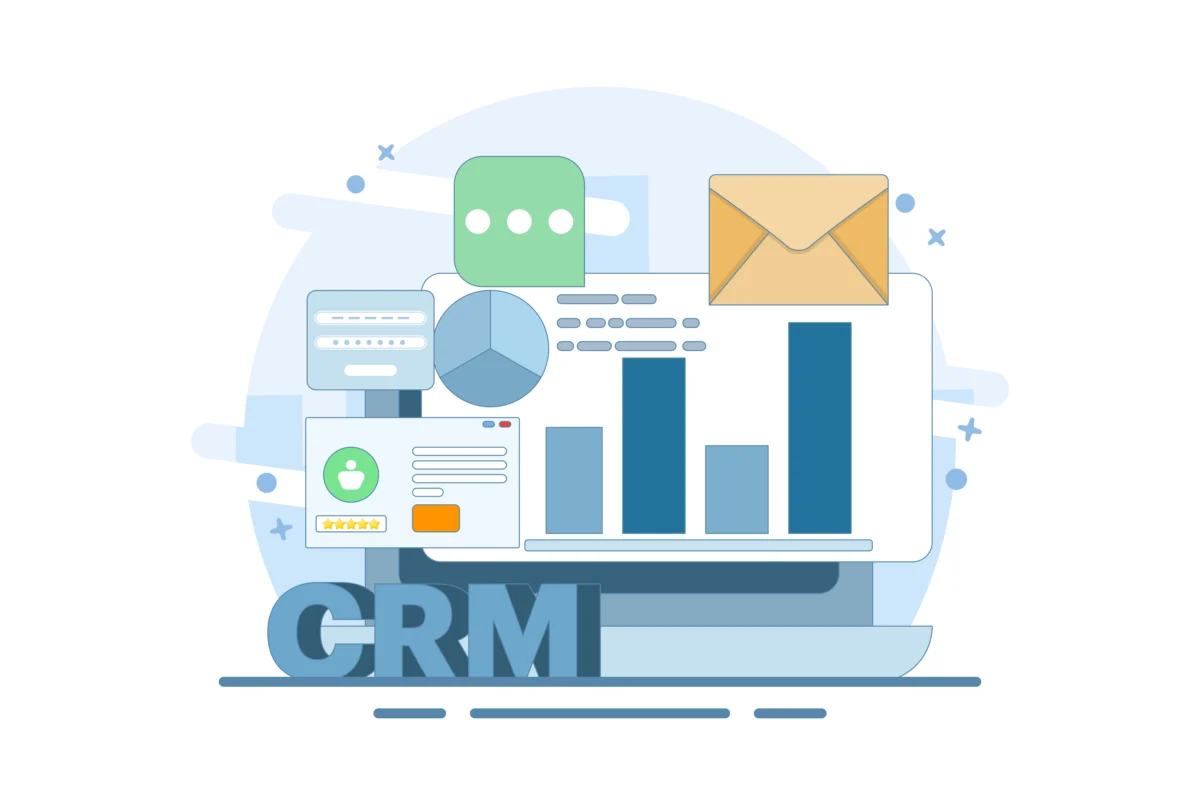
A well-implemented CRM system solves this challenge by centralizing all communication in one place. Instead of switching between tools, businesses can use a unified CRM platform to manage conversations, track interactions, and maintain complete visibility into customer relationships.
Communication centralization refers to storing and managing all customer interactions in a single system. A modern CRM application allows businesses to capture and organize every interaction, including emails, calls, chats, and support requests.
This approach improves customer interaction management by creating a unified view of every customer. Instead of viewing isolated conversations, teams can see a complete timeline of communication history.
Centralization allows businesses to:
A centralized CRM ensures that customer communication is organized, accessible, and useful.
Customer engagement is the ongoing relationship between a business and its customers. It includes every interaction, from initial contact to long-term support and follow-ups.
Strong engagement improves overall client management by ensuring customers feel valued and understood. When customers receive consistent and meaningful communication, they are more likely to trust the business.
Engaged customers often:
On the other hand, poor engagement leads to dissatisfaction and lost opportunities.
Using a centralized CRM improves engagement by organizing communication and improving communication efficiency. This strengthens relationships and enhances the overall customer experience.

Centralizing communication using a CRM significantly improves engagement by enabling faster responses, better personalization, and consistent communication.
When businesses use a centralized CRM system, teams can instantly access customer communication history. This eliminates delays caused by searching across multiple tools.
Faster responses improve customer satisfaction and demonstrate professionalism. Customers feel that their concerns are important and handled efficiently.
By improving response speed, CRM improves engagement and strengthens relationships.
One of the most important benefits of CRM centralization is customer history tracking. Every interaction is recorded and accessible, allowing teams to understand the customer’s full relationship with the business.
With complete customer history, teams can:
This improves communication quality and strengthens engagement.
Customers feel valued when businesses remember their previous interactions.
Personalization is essential for modern customer engagement. Customers expect businesses to understand their needs and provide relevant communication.
A centralized CRM application provides valuable customer insights, including communication patterns, preferences, and past interactions.
This allows businesses to:
Personalized communication strengthens relationships and enhances engagement.
Without centralized communication, different teams may provide inconsistent information. This creates confusion and reduces customer trust.
A centralized CRM platform ensures that all teams access the same information. This improves coordination and ensures consistent messaging.
Consistent communication improves customer confidence and strengthens relationships.
Automation plays an important role in improving engagement. CRM automation allows businesses to streamline repetitive tasks and ensure consistent communication.
Automation can help businesses:
This ensures no customer interaction is missed.
Automation improves efficiency while maintaining strong engagement.
Workflow automation improves communication by organizing and automating communication processes.
For example, workflow automation can:
This improves coordination and ensures timely communication.
Automation allows teams to focus on meaningful engagement rather than manual tasks.
Customer support plays a critical role in engagement. A centralized CRM acts as a powerful customer support system by organizing all support interactions.
Support teams can access customer history, previous issues, and communication records.
This improves support efficiency and allows teams to resolve issues faster.
Faster and more accurate support improves customer satisfaction and strengthens relationships.
A centralized CRM improves both support quality and engagement.
Tracking engagement is essential for improving customer relationships. CRM systems provide powerful engagement tracking capabilities that allow businesses to monitor communication activity.
Engagement tracking helps businesses understand:
This information helps businesses improve communication strategies.
Better engagement tracking leads to better engagement outcomes.

One of the most powerful features of CRM is CRM analytics. Analytics provide valuable insights into customer communication and behaviour.
Businesses can use CRM analytics to understand:
These insights help businesses improve communication and engagement strategies.
Data-driven decisions improve customer relationships.
Effective client management requires organized communication and complete customer visibility.
A centralized CRM improves client management by:
Better client management leads to stronger relationships.
Strong relationships improve engagement and customer loyalty.
Customer engagement is directly connected to the overall customer experience.
A centralized CRM improves customer experience by:
Customers receive better service and feel valued.
Better customer experience improves engagement and loyalty.
Effective customer interaction management ensures every customer interaction is organized and meaningful.
CRM systems help businesses manage interactions by:
This improves communication quality and engagement.
Organized communication improves customer relationships.
As businesses grow, communication becomes more complex.
A centralized business CRM helps businesses manage communication efficiently, even as customer volume increases.
CRM ensures communication remains organized and effective.
This supports business growth while maintaining strong engagement.
Centralized CRM communication provides long-term benefits, including:
These benefits support long-term business success.

IVPHUB helps organizations strengthen their customer relationship processes by providing a centralized and easy-to-use CRM platform that brings all customer information, communication, and activities into one place. Instead of relying on scattered tools and manual tracking, teams can manage contacts, monitor interactions, and follow up with customers more efficiently.
It enables businesses to maintain complete visibility into their customer relationships, helping teams respond faster, communicate more effectively, and deliver a consistent customer experience.
Key Ways IVPHUB CRM Helps Organizations
CRM technology will continue improving communication management.
Advanced CRM systems will provide improved automation, analytics, and engagement tracking.
Businesses that use centralized CRM communication will be better prepared for future growth. CRM will remain essential for engagement.
Customer engagement depends heavily on communication quality. Fragmented communication leads to slow responses, poor coordination, and weak customer relationships.
A centralized CRM system solves these challenges by organizing communication and improving visibility. It improves customer interaction management, enhances client management, and strengthens the overall customer experience.
With features like CRM automation, workflow automation, customer history tracking, and CRM analytics, businesses can improve efficiency and engagement.
Connect with us to discover how our CRM can help your team stay organized, respond faster, and build stronger customer relationships.