



Strengthen Employee…
Strengthen employee…

Protects Operational Accuracy Every Single Day with Attendance management
February 20, 2026
Strengthen Recruitment Precision Through a Data-Driven ATS software
February 26, 2026Protects Operational Accuracy Every Single Day with Attendance management
February 20, 2026Strengthen Recruitment Precision Through a Data-Driven ATS software
February 26, 2026
In any organization, employees are the backbone of operations, innovation, and customer success. However, employee absence whether for planned vacations, personal leave, sick days, or unexpected emergencies—is inevitable. The real challenge lies not in the absence itself, but in how effectively an organization manages it.
When leave is handled manually through spreadsheets, emails, or disconnected tools, it can lead to confusion, delays, operational gaps, and lack of clarity. Managers struggle to coordinate teams, critical tasks may be left unattended, and HR teams spend unnecessary hours tracking approvals and balances.
A dependable leave governance system transforms leave management from a manual, reactive process into a structured, automated, and transparent system. It ensures secure team coordination, uninterrupted operations, and clear accountability across the organization.
This article explores practical strategies for implementing a leave governance system that improves coordination, enhances productivity, and strengthens operational continuity.
A leave governance system is a centralized platform that manages employee leave requests, approvals, records, and workforce availability while ensuring alignment with organizational policies and operational needs.
Unlike basic leave trackers, a governance-focused system emphasizes coordination, visibility, and control.
With a leave governance system, organizations can answer critical questions such as:
Without a structured approach, organizations risk operational disruptions, poor coordination, and low transparency. A leave governance system ensures that leave management is predictable, efficient, and aligned with business objectives.
Modern workplaces are increasingly complex. Teams are spread across departments, locations, and time zones, and hybrid or remote work adds layers of operational complexity.
Manual leave coordination creates several challenges:
A leave governance system solves these problems by providing automation, transparency, and centralized management.
A primary benefit of a leave governance system is maintaining operational continuity.
Every organization has roles that are essential for day-to-day operations. These could include project leads, finance approvers, customer support managers, or technical specialists.
When these employees are absent without proper planning, critical processes can slow or stop.
A leave governance system helps prevent operational gaps by providing visibility into employee availability and allowing managers to plan coverage in advance:
This ensures operations continue smoothly, even during periods of high leave activity.
Effective team coordination requires visibility, clarity, and communication.
When leave information is scattered across emails or spreadsheets, teams lack accurate data, leading to miscommunication, missed deadlines, and inefficient planning.
A leave governance system centralizes all leave information, providing a single source of truth for employees, managers, and HR teams.
With a centralized system, teams can:
Managers can schedule projects, allocate resources, and plan deadlines confidently, minimizing workflow disruptions.
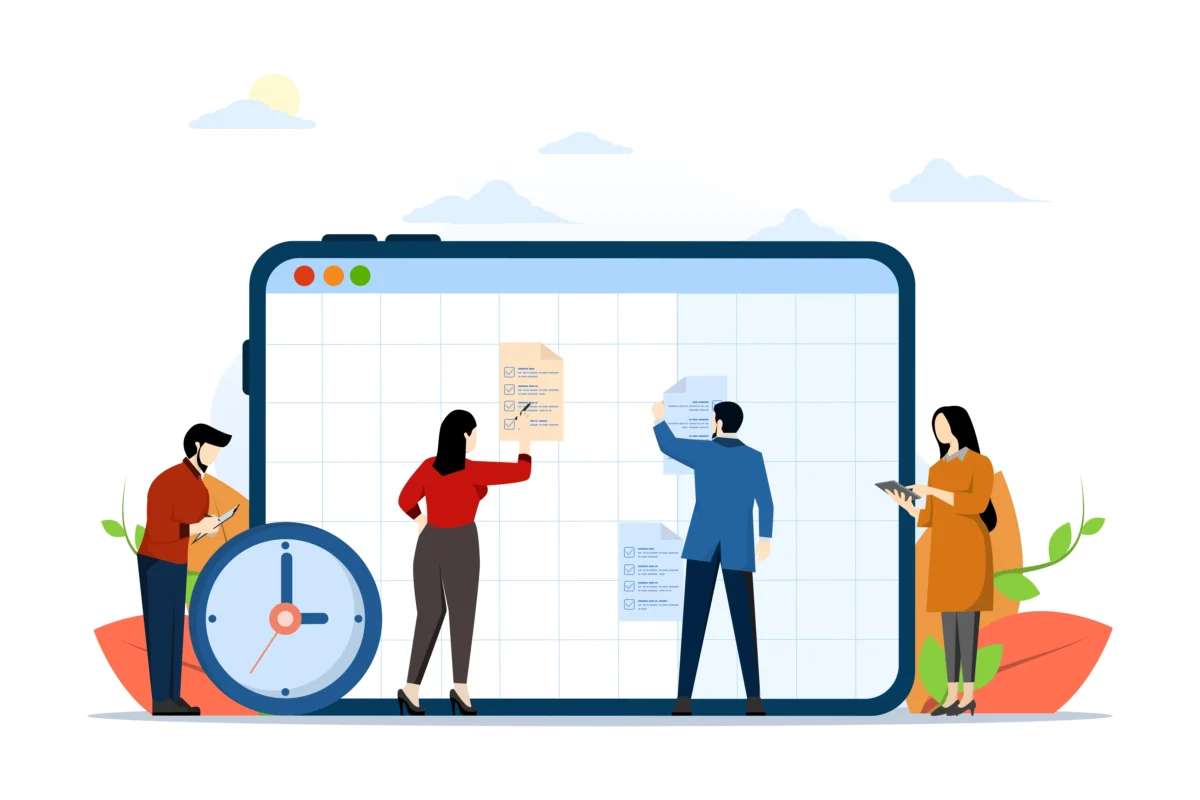
Manual leave approval processes often cause delays and inconsistencies. Emails may be missed, approvals delayed, or policies inconsistently applied.
A leave governance system automates these workflows.
Employees can submit leave requests through a centralized platform, which automatically routes the request to the appropriate manager. Managers receive timely notifications and can approve or reject requests efficiently.
The system ensures that organizational policies are consistently applied and reduces administrative overhead. Key benefits include:
Real-time visibility is essential for effective workforce management. Without accurate information, managers cannot make informed decisions about staffing, project planning, or operational readiness.
A leave governance system provides dashboards and reports that display workforce availability in real time, including:
This allows managers to make proactive decisions, such as reallocating tasks, rescheduling deadlines, or assigning additional resources before operational gaps occur.
Maintaining accurate leave records is essential for operational clarity, reporting, and compliance.
Manual tracking methods often result in incomplete or inconsistent data.
A leave governance system automatically maintains comprehensive leave records, including:
These records improve accountability, reduce disputes, and provide a reliable source for operational planning and compliance purposes.
Leave data can provide valuable insights for workforce planning.
A leave governance system allows organizations to analyse leave trends, identify peak absence periods, and uncover staffing gaps.
Managers can use this data to:
This data-driven approach strengthens operational efficiency and ensures that teams remain productive even during high leave periods.
Manual leave tracking consumes significant time and resources for HR teams and managers.
A leave governance system automates:
This allows HR and management teams to focus on strategic priorities rather than administrative tasks, improving efficiency and accuracy.
Employees value transparency, fairness, and efficiency when it comes to leave management.
A leave governance system provides employees with:
Transparent processes and timely approvals increase trust and satisfaction, fostering a positive workplace culture.

With hybrid and remote teams, managers cannot rely on physical presence to track availability.
A leave governance system provides centralized, real-time visibility into employee leave status regardless of location.
This ensures effective coordination and operational continuity across distributed teams
Consistent application of leave policies ensures fairness and operational stability.
A leave governance system enforces rules automatically, including:
This ensures equitable treatment for all employees and reduces potential conflicts.
Absences are unavoidable, but operational disruptions are preventable.
A leave governance system ensures preparedness by providing:
Organizations can maintain operational stability and continue business operations smoothly, even during high-absence periods.
Consider a mid-sized company with several departments. Without a structured system, leave requests may be handled via emails, resulting in:
With a leave governance system:
Operations continue uninterrupted, and HR teams can focus on strategic initiatives rather than manual tracking.
IVPHUB helps organizations implement a dependable leave governance system that simplifies team coordination and ensures smooth operations. It provides a centralized platform for managing all aspects of employee leave, reducing administrative work, and improving transparency. With IVPHUB, managers and HR teams can:
IVPHUB also offers robust reporting and analytics capabilities that help organizations plan resources effectively and maintain operational continuity. Its features include:
By using IVPHUB, organizations can transform leave management from a time-consuming, error-prone process into a structured system that enhances productivity, transparency, and operational resilience.
Employee leave is inevitable, but disruptions are not.
A dependable leave governance system transforms leave management into a structured, transparent, and efficient process.
It ensures:
Organizations that implement such a system can confidently manage workforce availability, plan resources effectively, and maintain operational resilience.
By adopting a governance-driven approach to leave management, organizations create a stronger, more efficient, and more coordinated workplace. Connect with us for demo.