
Strengthen Employee…
Strengthen employee…

Replaces Every Manual Asset Logs with Centralized Asset Management
January 23, 2026
Stop Chasing Work Log Errors with Automated Timesheet Management
February 5, 2026Replaces Every Manual Asset Logs with Centralized Asset Management
January 23, 2026Stop Chasing Work Log Errors with Automated Timesheet Management
February 5, 2026
For many organizations, Performance management has quietly become one of the most fragile operational systems. As businesses scale, the gap between how work happens and how performance is reviewed continues to widen. Teams move faster, priorities shift more often, and roles evolve constantly yet Employee reviews are still treated as static, calendar-driven events.
This disconnect has consequences. Performance reviews feel outdated, managers feel burdened, and employees feel uncertain about where they stand. Over time, this weakens Employee engagement, clouds decision-making, and limits an organization’s ability to actively manage Workforce performance.
Leaders are no longer debating whether performance management needs to change. They are asking how to simplify performance reviews without sacrificing fairness, rigor, or control. The answer lies in adopting a Smarter performance management platform one designed for continuous execution, real visibility, and strategic alignment.
Traditional review cycles were designed for a slower, more predictable business environment. Annual and semi-annual evaluations assume stable goals, static roles, and performance that can be accurately recalled months later. That assumption no longer holds.
In practice, organizations face persistent challenges:
Without Continuous feedback, performance becomes reactive instead of directional. Employees do not know how they are doing in real time, and managers struggle to course-correct early. This erodes trust and creates friction that ultimately affects retention making Preventing turnover with better performance reviews a growing priority for leadership teams.
Traditional review cycles introduce friction at scale. Annual and semi-annual processes compress too many decisions into narrow windows, forcing speed at the expense of quality.
Organizations experience this as:
The financial impact is subtle but persistent. Delayed feedback leads to delayed course correction. Misaligned goals lead to wasted effort. Inconsistent evaluations create promotion and compensation risk. Over time, organizations struggle with Shortening review cycles without stress because the underlying data and workflows are not built for speed.
Without Performance dashboards for HR decisions, leadership teams are forced to operate with partial visibility reacting to outcomes rather than managing performance proactively.
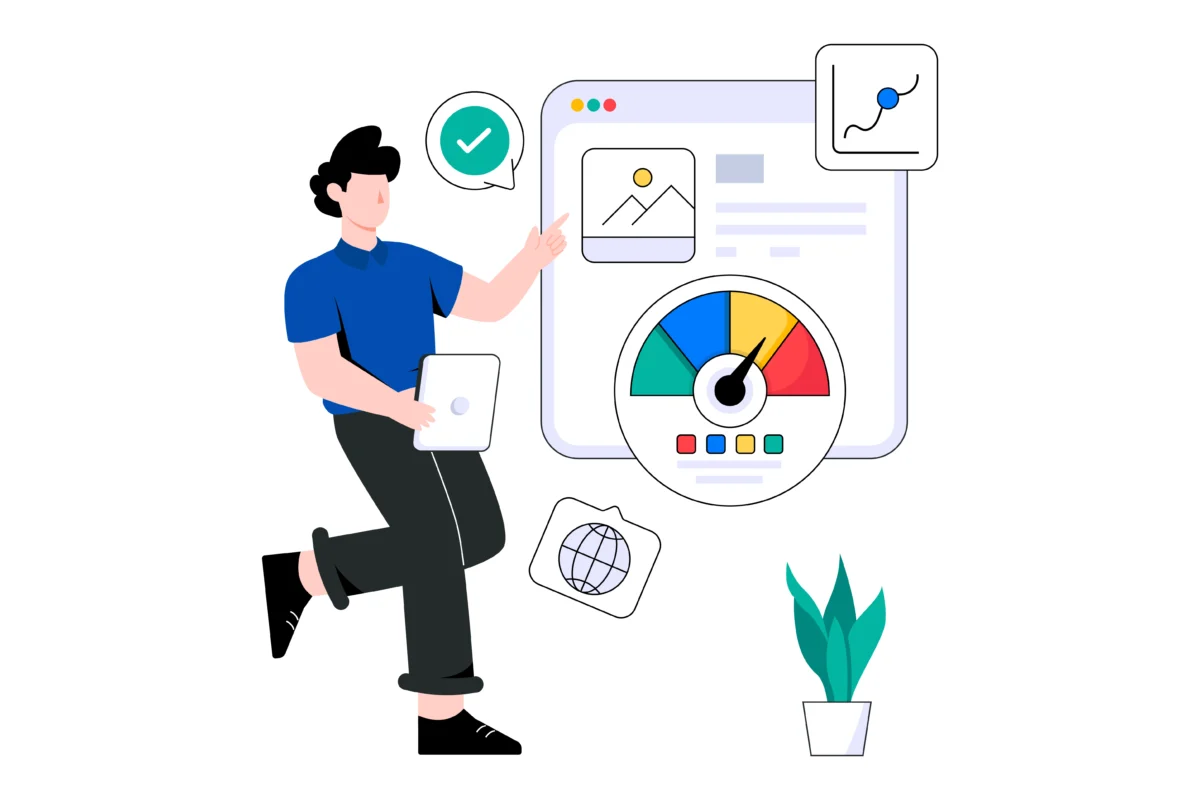
A Smarter performance management platform does more than digitize existing processes. It changes how performance is managed across the organization shifting from periodic evaluation to continuous enablement.
At an operational level, modern platforms allow organizations to:
This evolution is not simply about better tools it is about building a performance system that scales with the business and adapts as priorities change.
To deliver value at scale, performance platforms must balance structure with flexibility. The most effective systems focus on four core capabilities:
Continuous Performance Visibility
Ongoing feedback reduces reliance on memory-based evaluations and enables faster learning. Managers spend less time preparing reviews and more time coaching employees with performance insights that drive improvement.
Clear Goal Alignment
When goals are visible, measurable, and connected to strategy, employees understand how their work contributes to outcomes. Strong Goal alignment reduces execution drift and increases accountability across teams.
Insight-Driven Decision-Making
Modern platforms provide Performance dashboards for HR decisions that surface trends, risks, and opportunities. Combined with robust HR analytics, leaders gain a clearer view of talent distribution and readiness.
Workflow Automation
Automated reminders, approvals, and review scheduling significantly lower friction. By Reducing administrative load in HR, organizations free up time for strategic initiatives rather than process management.
Together, these capabilities turn performance management into a continuous operating system rather than a periodic task.
Technology alone does not fix performance challenges. The real differentiator lies in how platforms are operationalized within the organization. IVPHUB approaches performance management as an integrated system that supports clarity, accountability, and execution.
Structured Goals and Role Clarity
IVPHUB enables organizations to define roles, responsibilities, and outcomes clearly reducing ambiguity in Employee reviews and strengthening Goal alignment across teams.
Continuous Tracking and Feedback
Performance is tracked throughout the year, enabling Continuous feedback for employees and reducing the need for high-pressure, end-of-cycle evaluations. Managers stay informed and proactive.
Meaningful Appraisals and Development
Appraisals are informed by real performance data, self-assessments, and development inputs. This approach supports Improving employee engagement and retention by linking feedback to growth, not just ratings.
Enterprise-Ready Automation and Insights
By Integrating performance management software into daily workflows, IVPHUB helps organizations streamline reviews while providing Performance dashboards for HR decisions and actionable insights for leaders.
This approach supports Operationalizing talent strategies in organizations, ensuring performance management aligns with how work gets done.
Performance reviews do not have to be a source of friction. When supported by the right platform and operating model, they become a strategic lever for growth.
Organizations that modernize Performance management gain the ability to:
By adopting a Smarter performance management platform, leaders can simplify review cycles while increasing their strategic impact. The result is not just better reviews—but better execution, stronger engagement, and a more resilient organization.
Accurate and streamlined performance reviews are not just a process they are a foundation for growth, clarity, and stronger employee engagement. By simplifying every review cycle, organizations can save time, reduce administrative burden, and make feedback more meaningful. To see how a smarter performance management platform can transform your review process, reach out and explore a solution designed for efficiency and impact.
They fail because feedback is delayed, goals change mid-cycle, and managers rely on memory instead of data. This makes reviews feel disconnected from actual performance.
Performance should be reviewed continuously, with regular check-ins throughout the year. This avoids surprises and supports better decision-making.
Continuous feedback models replace annual reviews by tracking goals, progress, and feedback in real time. Reviews become summaries of ongoing conversations, not one-time events.
Managers use dashboards that show goals, feedback, and progress as work happens. This enables faster coaching and early intervention.
Automation eliminates manual follow-ups, reminders, and spreadsheets. This significantly reduces administrative work for HR teams.
Disengagement happens when feedback is infrequent, unclear, or inconsistent. Employees lose trust when reviews feel rushed or purely evaluative.
Goals are aligned by cascading objectives from company priorities to teams and individuals. Progress is tracked continuously, not just at review time.
HR should use goal progress, feedback trends, and performance history. This data provides context for promotions, development, and succession planning.
Yes, when reviews focus on growth, clarity, and recognition, employees are more likely to stay. Ongoing feedback strengthens engagement and trust.
Treating performance reviews as compliance exercises instead of ongoing conversations. This prevents timely coaching and limits improvement.